
Nepal’s Road Transport System Needs Major Reform
Every morning in Kathmandu, the same scene repeats itself. Thousands of people stand on dusty roadsides waiting for buses. Office workers remain stuck in traffic. Students are forced to travel hanging from the doors of overcrowded microbuses. Bus conductors shout destinations amid traffic noise, while foreign tourists struggle to understand where the buses are going.
For many Nepalis, this has now become a normal part of daily life. This is negatively affecting our society, economy, lifestyle, and productivity. Therefore, this terrible situation must change. But how?
Nepal’s public transportation is not just about travel. It is directly connected with livelihood, economic and social relations, and sustainable development: public safety, economic productivity, sustainable tourism, the environment, traffic management, and the quality of citizens’ daily lives.
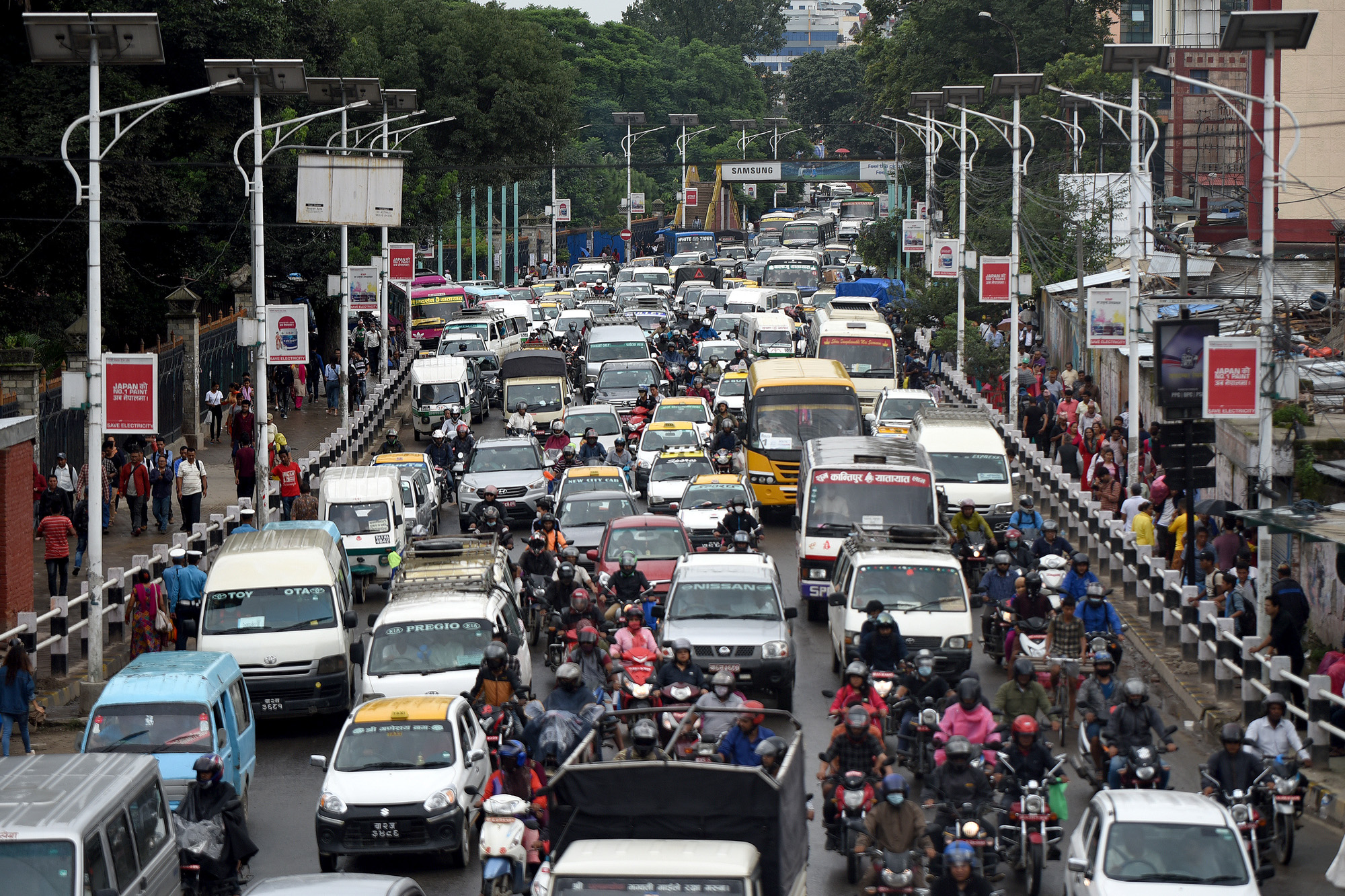
Yet the system that carries millions of people every day still operates with outdated methods, weak regulations, unorganized planning, and the absence of a long-term national vision.
On the other hand, Nepal itself is changing. Electric buses have started appearing in Kathmandu. QR payment systems are expanding into public transportation. Digital technology is rapidly growing. The younger generation is demanding cleaner, more organized, and smarter cities.
The problem is that while the country is moving forward, Nepal’s public transportation system still remains stuck in the past.
This article is not written merely to blame drivers or conductors. They too are forced to work within Nepal’s weak legal and managerial structure, irresponsible policies and systems, traffic and administrative pressure, profit-driven vehicle owners, and an unorganized system.
The real problem is much larger.Nepal lacks a clear and long-term public transportation vision suitable for a modern urban society. Where there is no government investment, there is no interest from policymakers or influential groups.
And if this situation continues, as cities expand and private vehicles increase, and as the public becomes more dependent on motorcycles, the problem will become even more serious.
The Real Condition of Nepal’s Public Transportation
Anyone who regularly uses public transportation in Kathmandu can easily understand the reality. Many buses are extremely overcrowded, poorly ventilated, very noisy, dirty, and poorly maintained. During summer, dust, traffic, and heat make traveling inside buses extremely uncomfortable. During the monsoon, passengers are forced to wait beside muddy roads. Inside many buses, seats are torn, floors are dirty, windows are broken, and cleanliness is poor. These problems may seem small, but they define the daily travel experience of millions of Nepalis. Public transportation should not feel like a struggle. It should be organized, safe, reliable, and dignified.
Nepal’s Bus System Is Still Confusing
One of the biggest problems in Nepal’s public transportation system is route confusion.Even today, passengers rely on handwritten papers, randomly pasted stickers, faded boards, or the shouting of conductors, along with poor passenger behavior.
Even local passengers sometimes struggle to understand whether a bus goes inside or outside the Ring Road, passes through Baneshwor or not, stops at Koteshwor or not, reaches Bhaktapur or stops midway, or which bus comes at what time, or whether it comes at all. For tourists, the system becomes even more difficult.
Nepal must now implement a clear color-based route system. For example: Red Route for Ring Road Service, Blue Route for Airport Service, Green Route for Lalitpur Service, and Yellow Route for Bhaktapur Service.
Every bus should have route numbers, destination details, digital displays, and standardized route information.Countries like South Korea, Singapore, Japan, and even India have successfully implemented such systems. Nepal does not need the world’s most expensive system. Nepal needs an organized system.
Buses Should Stop Only at Bus Stops / Designated Stops, Not Anywhere
One of the main causes of Kathmandu’s traffic congestion is buses stopping randomly. Public vehicles stop at intersections, in the middle of roads, near traffic lights, near schools or sensitive areas, or suddenly in front of moving vehicles. This causes traffic jams, accident risks, arguments and conflicts, uncivilized behavior, uncomfortable and difficult travel, and danger to pedestrians and motorcyclists. Nepal must now strictly enforce a system where buses stop only at designated bus stops. Bus stops themselves must also improve.
Modern bus stops should include roofs and toilets, route information with timing, lighting and water, proper seating for everyone, and clear signage. Even simple improvements can greatly transform the passenger experience.
Nepal Needs a Smart Public Transportation Control System
Kathmandu’s traffic can no longer be controlled only manually. Nepal needs GPS tracking, traffic police integration, route management, scheduling systems, and a central transportation control system connected with emergency monitoring.
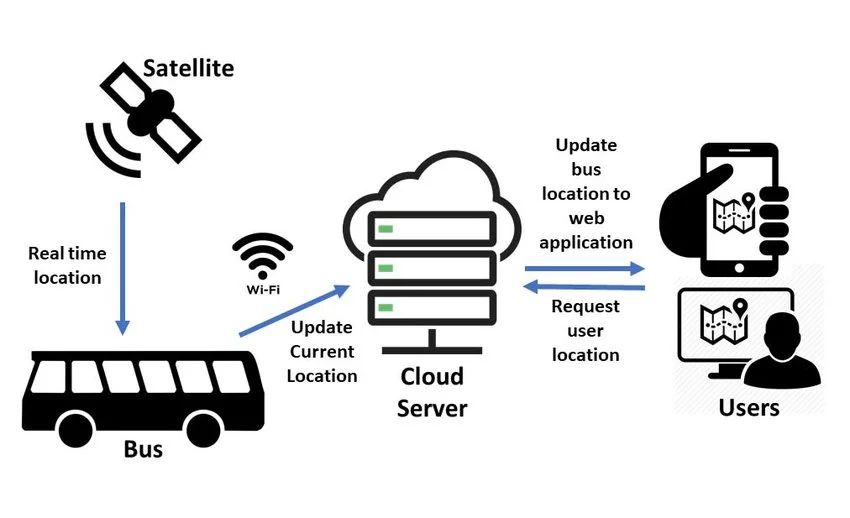
Every public vehicle should include GPS tracking, speed monitoring, digital registration, and route tracking systems. This would help control reckless driving, reduce dangerous bus racing competition, improve time management, and provide faster responses during accidents. Passengers should be able to track buses through mobile applications.
Public Transportation Must Be Clean
One harsh reality of Nepal’s public transportation system is the lack of cleanliness. Many buses are not cleaned regularly. Dust, dirt, foul smells, and damaged seats create a poor passenger experience. The government must enforce mandatory cleanliness standards for public vehicles. This should include daily cleaning, weekly deep cleaning, surprise inspections, and fines for rule violations. Clean public transportation is not merely a luxury or business matter. It is a basic right, a foundation of development, and a matter of public dignity.
CCTV and Passenger Safety Must Be Mandatory
Women, students, and senior citizens still do not feel fully safe in many public vehicles. Buses should include CCTV cameras, complaint numbers, driver identification, and emergency alert systems. This would help reduce harassment, prevent theft, increase accountability, and support accident investigations.
Drivers and Conductors Need Professional Training
Drivers and conductors work under difficult conditions. However, professionalism must improve. Passengers frequently complain about dangerous overtaking, abusive behavior, smoking, lack of cleanliness, and unhealthy competition for passengers.
Nepal should implement mandatory training and professional development, health checkups and health insurance, road safety and passenger-friendly education, technical knowledge, skills and training, and a modern and character-based certification renewal system.
Digital Payment Is Transforming Nepal
In Nepal, eSewa, Khalti, IME Pay, and Fonepay have rapidly expanded digital payment systems. Even world-class service provider companies are interested in entering Nepal.
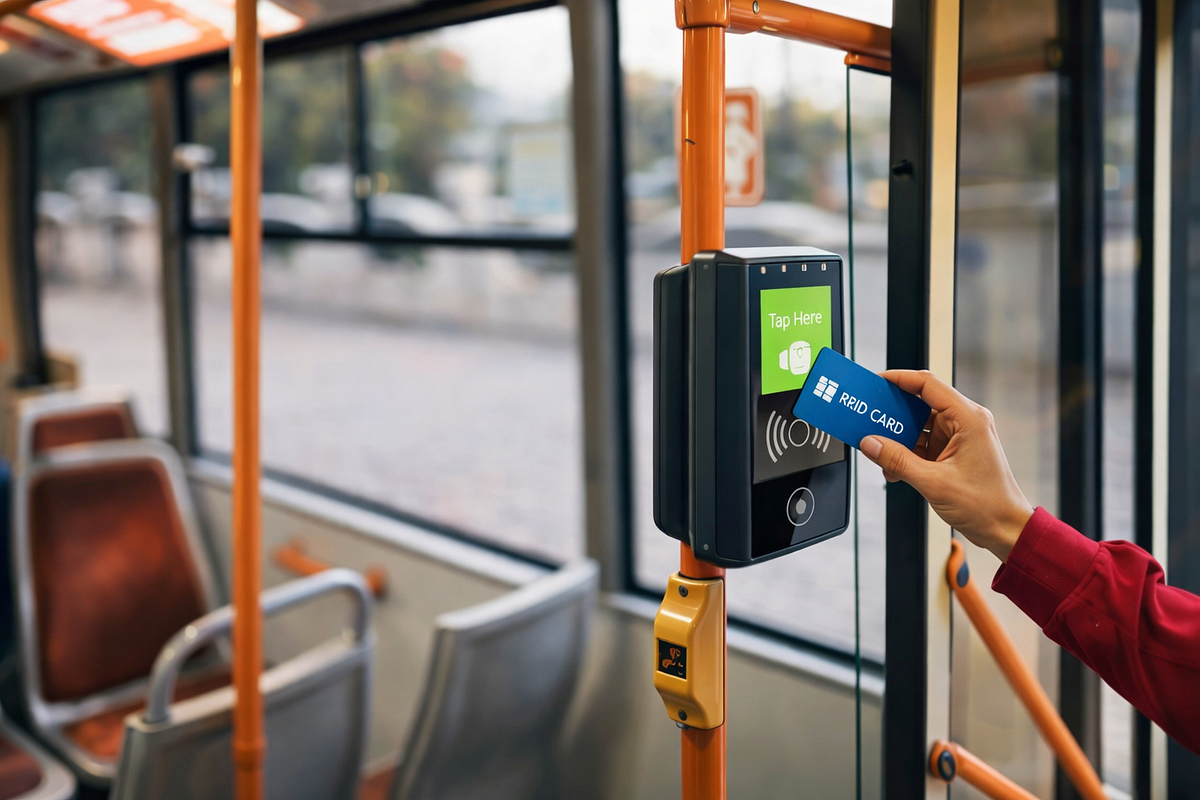
Some public buses have started accepting QR payments. This is a positive beginning. However, banking charges for these services are extremely expensive and impractical. This must be improved, otherwise digital payment should not become merely a way to benefit middlemen.
Digital systems can reduce fare disputes, make cash handling easier, increase transparency, create a more reliable and cost-effective system, and modernize the passenger experience.
Electric Public Transportation Is a Major Opportunity for Nepal
Kathmandu’s air pollution has now become a serious public health issue. Transportation contributes heavily to this problem. Because Nepal has hydropower potential, electric public transportation can become Nepal’s future.
The government should invest in electric buses, charging stations, EV incentives, and green transportation policies. This would reduce fuel imports, lower pollution, and provide long-term economic benefits. The main issue that must be considered is that EV manufacturers and distributors must assure government agencies, media, consumers, and experts regarding sustainability, safety, battery management, and economic aspects. Otherwise, the situation may become like “jumping from the frying pan into the fire.”
Excessive Use of Private Vehicles Must Be Reduced
If Kathmandu’s roads continue filling with private vehicles in this way, the city will eventually fall into permanent traffic congestion. The solution is not only widening roads.
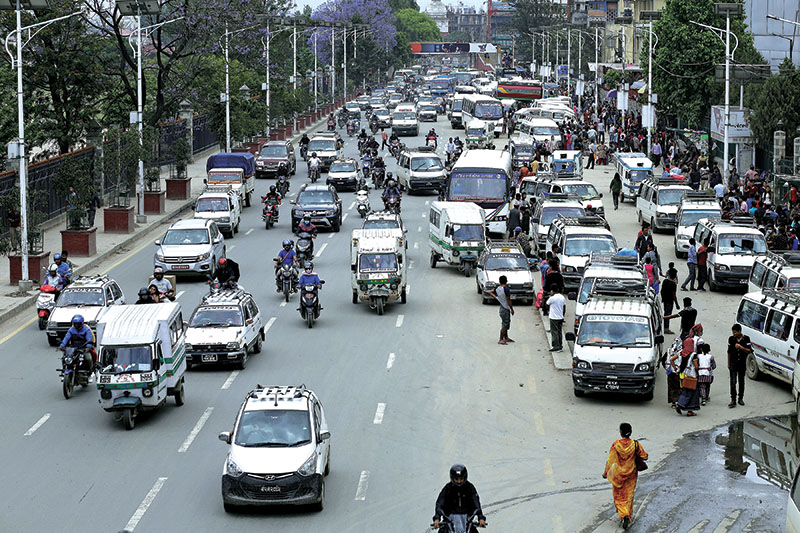
Infrastructure for walking and cycling, improvements in road structures, mass transportation, lifestyle changes, attention toward school and college selection, and even reconsideration of migration patterns all seem necessary. Another solution is making public transportation reliable, clean, punctual, affordable, and convenient.
For this, government investment, supportive laws, and organized infrastructure are necessary. When people are given better alternatives, they naturally begin choosing public transportation.
Kathmandu Needs a Park-and-Ride System
At Kathmandu’s main entry points — Kalanki, Koteshwor, Satdobato, and Bhaktapur entry areas — Park-and-Ride systems can be developed. Under this system, people park outside the city and then use buses or EV shuttles to travel inside the city. This would reduce traffic and save money, make citizens healthier, reduce parking pressure, reduce traffic jams and accidents, and increase public transportation use.
The Government Must Prioritize Public Transportation
Nepal must now prioritize public transportation at the policy level.This includes government investment, a Public Transportation Authority, tax exemptions for EV public buses, soft loans for improving public transportation, control of unmanaged parking, and gradual parking fee increases in congested areas. However, people should not be punished without first being provided alternatives. Public transportation must improve first.
Conclusion
Nepal’s public transportation system has not completely collapsed. But if improvements are not made, the situation will become far more serious. Nepal must now create a long-term transportation vision centered around safety, cleanliness, technology, discipline, sustainability, and passenger dignity.
Public transportation touches the lives of millions of Nepalis every day.Students going to college. Employees going to offices. Tourists traveling for leisure. Patients going to hospitals. Families returning home. Service providers. Even the policymakers of the future.
It is said: The speed of safe and organized transportation determines the pace of a nation’s daily life and overall development.
If Nepal successfully improves its public transportation system, the benefits will not remain limited only to buses.
It will positively impact public safety, tourism, the economy, the environment, urban discipline, sustainable development, and the quality of healthy civic life.
Nepal does not need the world’s most expensive, unorganized, and weak transportation system.What Nepal needs is Safe, Sustainable, Affordable, Accessible, and Smart Mobility for everyone — which is our right, the responsibility of the state, and also a part of citizens’ way of life.


Sports Officer Nepal Automobile’s Association, & Automotive Enthusiast